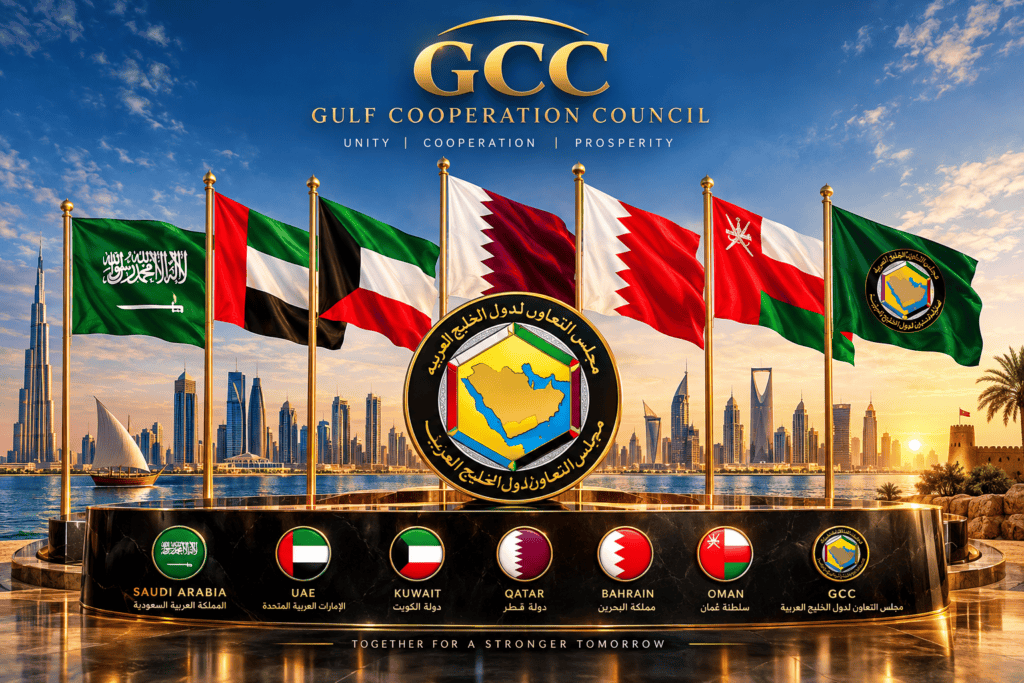
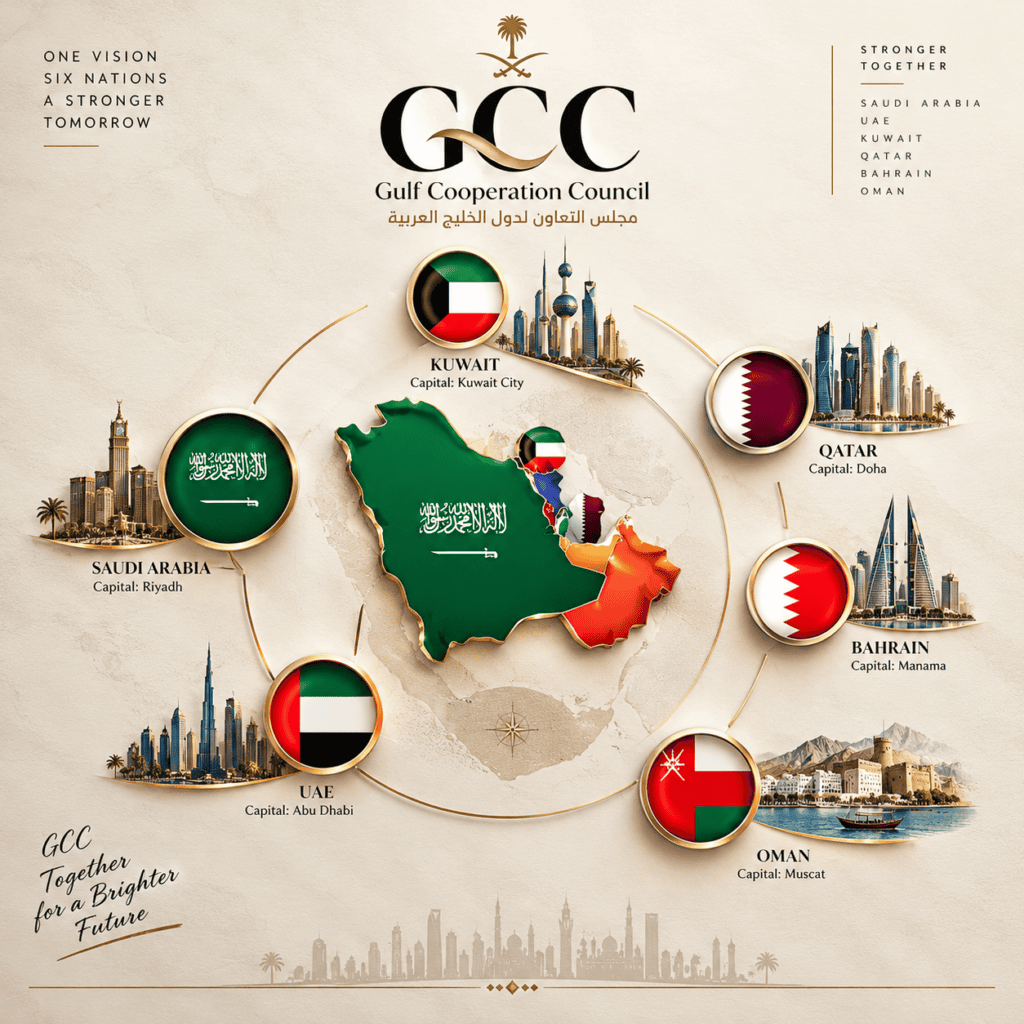
The GCC was founded on May 25, 1981, in Abu Dhabi, UAE, in response to regional challenges and the need for economic and security cooperation. The organization was established to enhance collective security, economic growth, and regional stability. The founding countries recognized the benefits of working together to strengthen their economies and protect their interests against external threats.
The GCC countries are located in the Arabian Peninsula and the surrounding areas, with cotlines along the Persian Gulf and the Arabian Sea. The region is known for its arid desert climate, with some areas experiencing extremely high temperatures. Deite harsh climatic conditions, the GCC countries have developed rapidly over the past few decades.
The combined population of the GCC countries is over 57 million, with Saudi Arabia being the most populous, followed by the UAE. The region has a diverse demographic structure, including a large expatriate population, particularly in the UAE, Qatar, and Kuwait. Foreign workers play a significant role in various sectors, from construction to finance and healthcaest oil producer among them. The oil and gas industry is the backbone of their economies, contributing significantly to GDP and government revenues.
Individual Profiles of GCC Countries
Bahrain
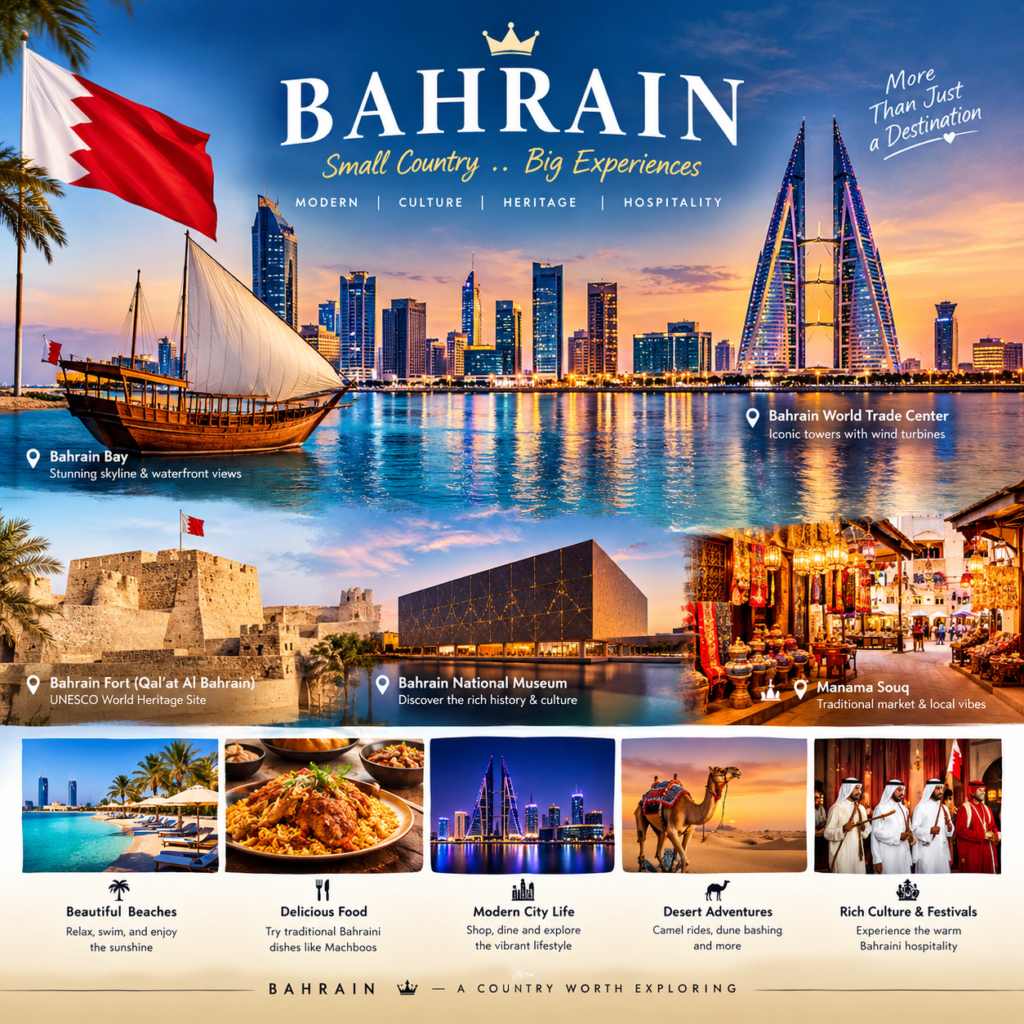
Bahrain is the smallest GCC country but has a significant financial sector.
It is known as a banking hub, attracting international financial institutions.
The country also has a growing tourism industry, with attractions like the Bahrain International Circuit and historic sites such as Qal’at al-Bahrain.
Kuwait
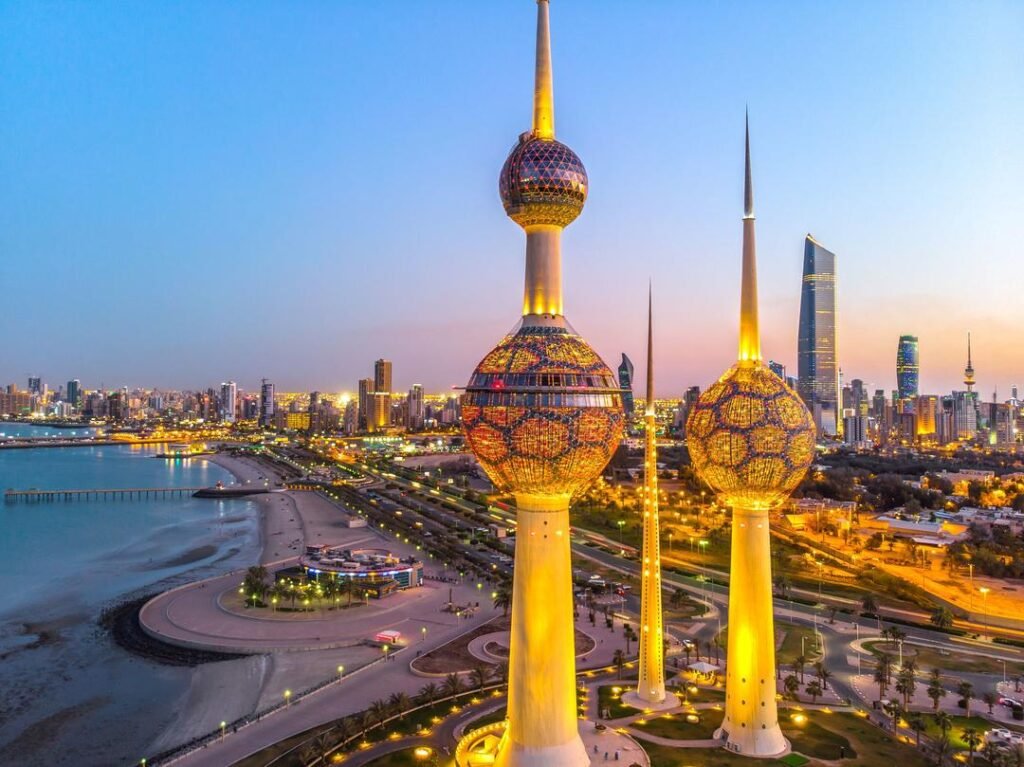
Kuwait is one of the richest countries in the world per capita, largely due to its vast oil reserves. The country has a strong sovereign wealth fund and is known for its cultural heritage. Kuwait City is a key business hub, with a well-established financial sector.
Oman
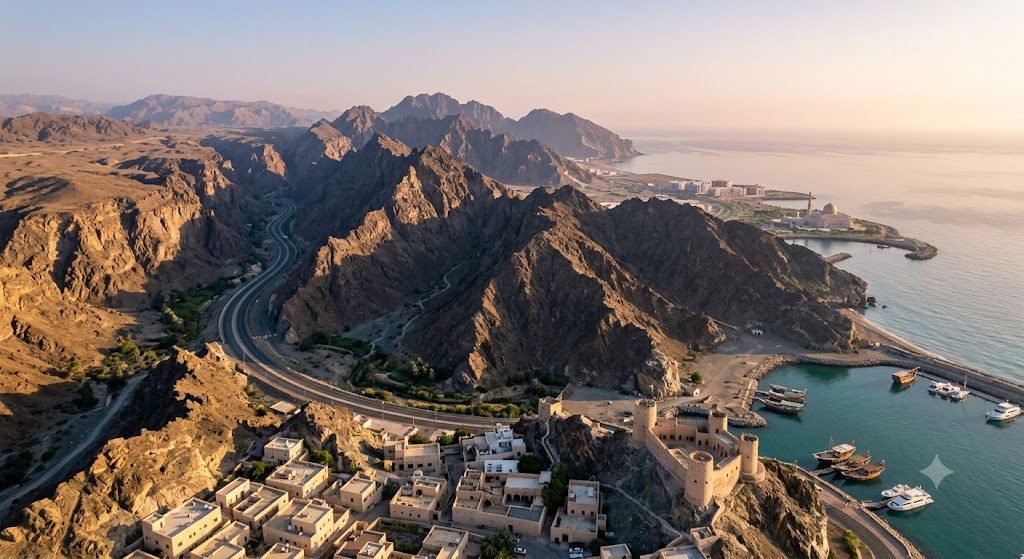
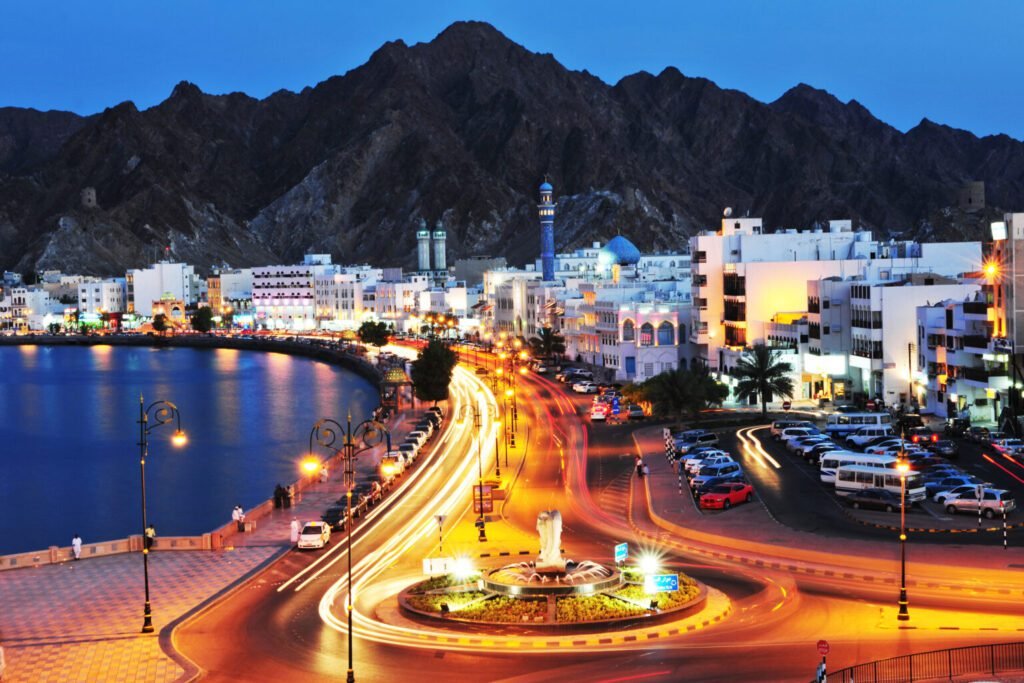
Oman is known for its diverse landscapes, from mountains to pristine beaches. Unlike other GCC nations, Oman has a more balanced economy, relying on oil, tourism, and fisheries. The country is making significant efforts to boost its tourism sector, attracting visitors to its historic forts and natural beauty.
Qatar
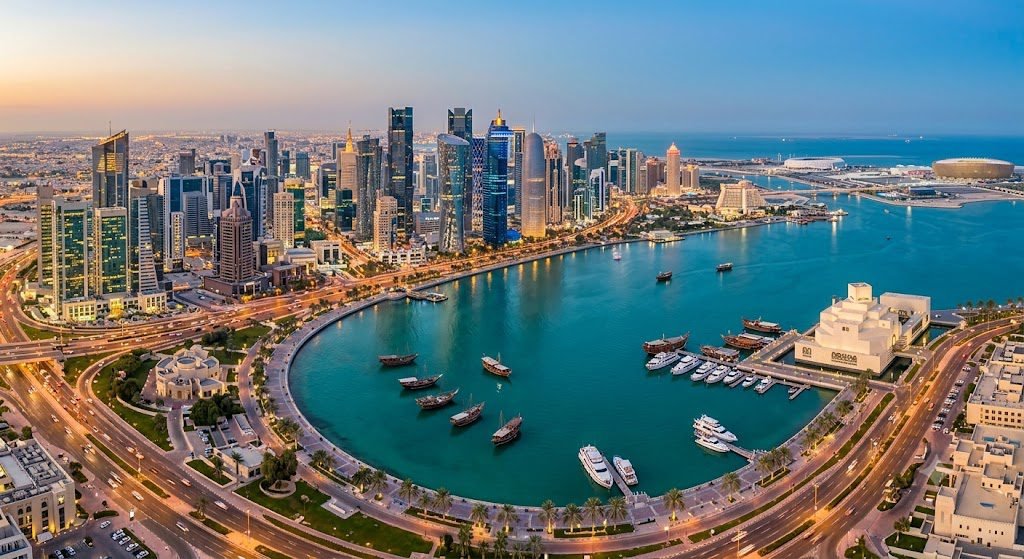
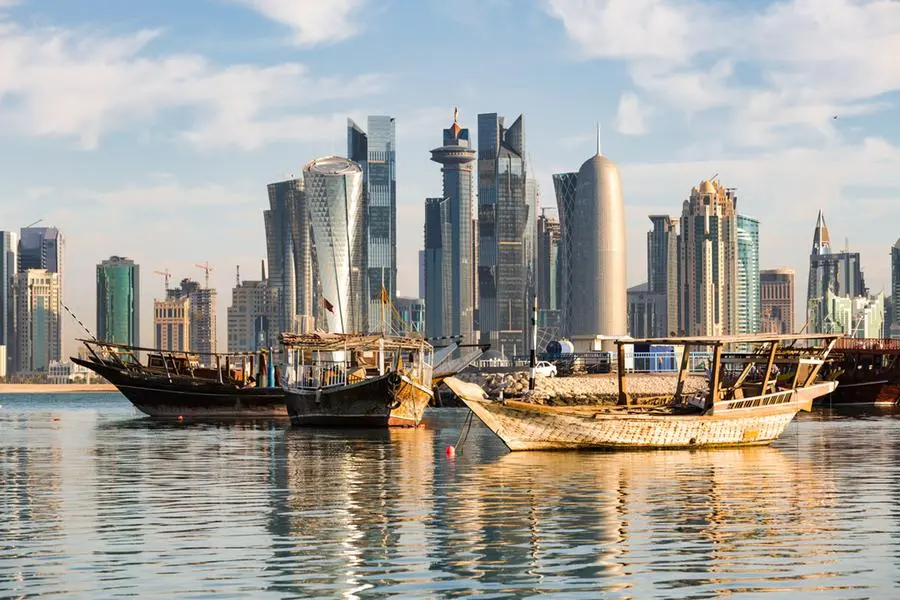
Qatar has one of the highest GDP per capita in the world, thanks to its massive natural gas reserves. The country has invested heavily in infrastructure and sports, hosting global events like the FIFA World Cup 2022. Qatar Airways and Qatar Foundation are symbols of its rapid development.
Saudi Arabia (KSA)
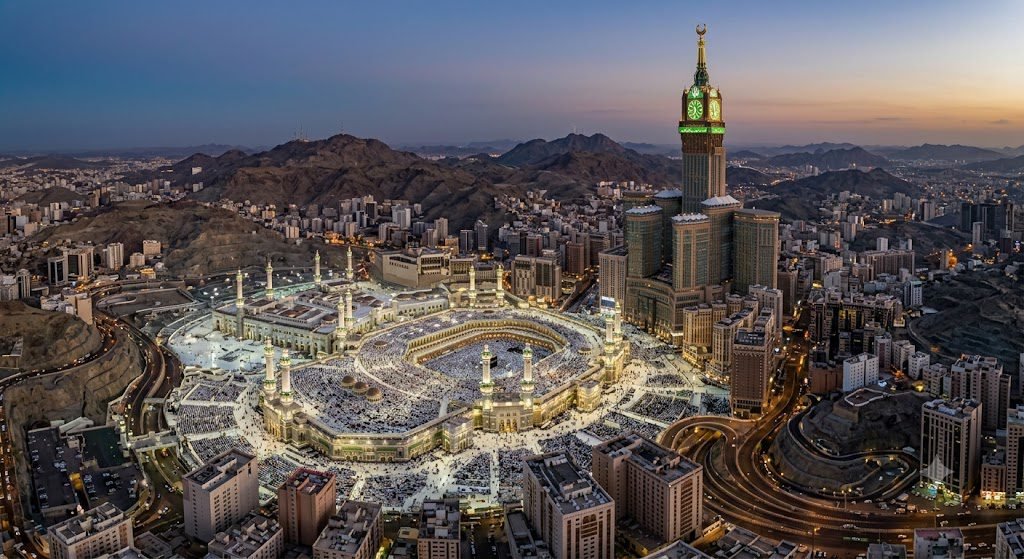
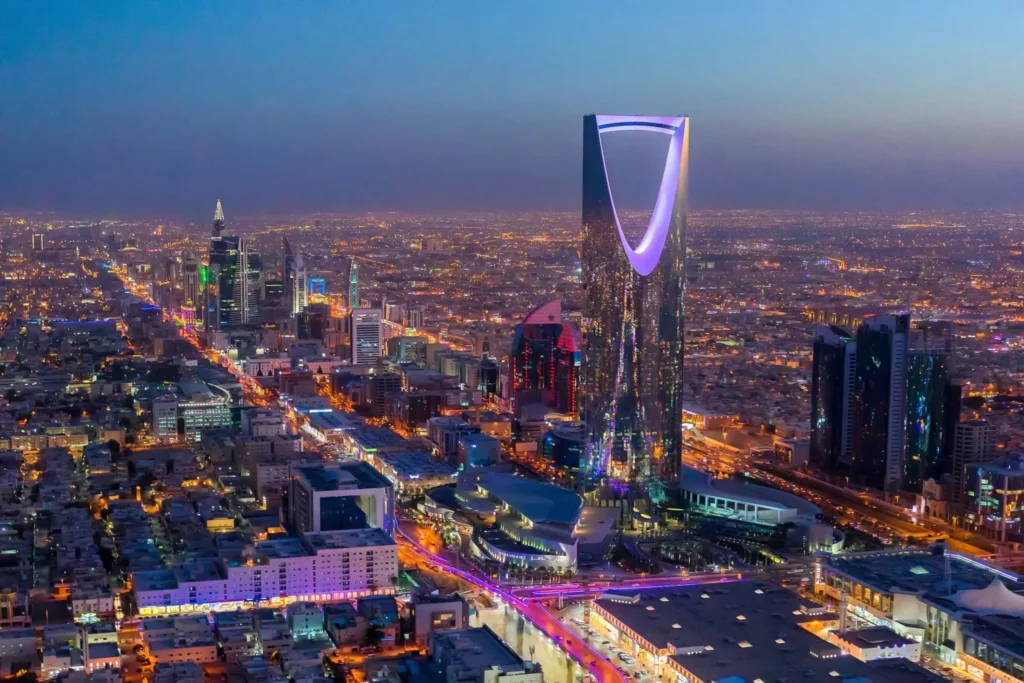
As the largest and most influential GCC country, Saudi Arabia plays a pivotal role in regional and global politics. It is home to the two holiest Islamic sites, Mecca and Medina, making it a religious and cultural center. The country’s Vision 2030 initiative aims to diversify the economy through investments in tourism, entertainment, and technology.
United Arab Emirates (UAE)
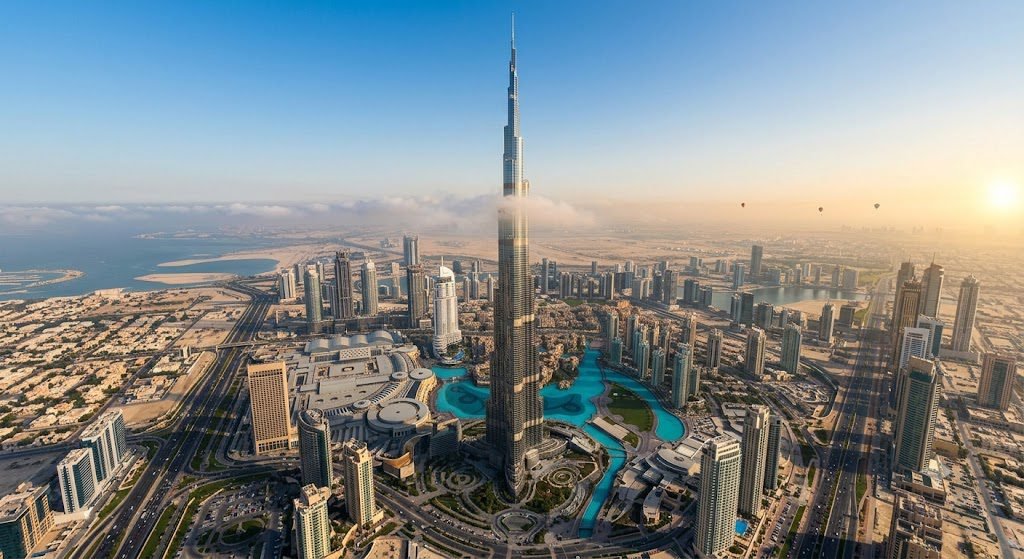
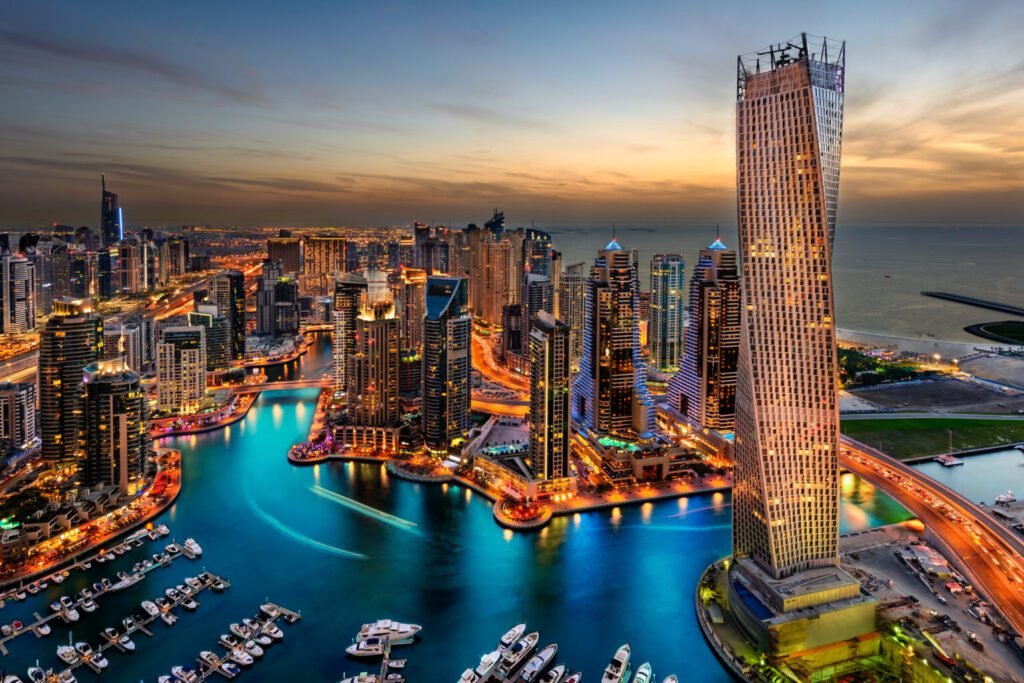
The UAE is known for its futuristic cities like Dubai and Abu Dhabi. It has successfully diversified its economy, becoming a global hub for tourism, business, and innovation. Dubai’s Burj Khalifa, Abu Dhabi’s Louvre Museum, and the UAE’s space exploration efforts highlight the country’s ambitions